Hot Shot Trucking Requirements: CDL, DOT Number, Insurance, and Equipment
Hot Shot Trucking Requirements: CDL, DOT Number, Insurance, and Equipment
Hot shot trucking looks like the easy way into freight: a heavy-duty pickup, a gooseneck trailer, and loads nobody else wants to wait for. But once you cross state lines for hire, the same federal rules that govern a full-size carrier apply to your one-ton dually. Here is exactly what the regulations require before you hook up and roll.
What Hot Shot Trucking Actually Is
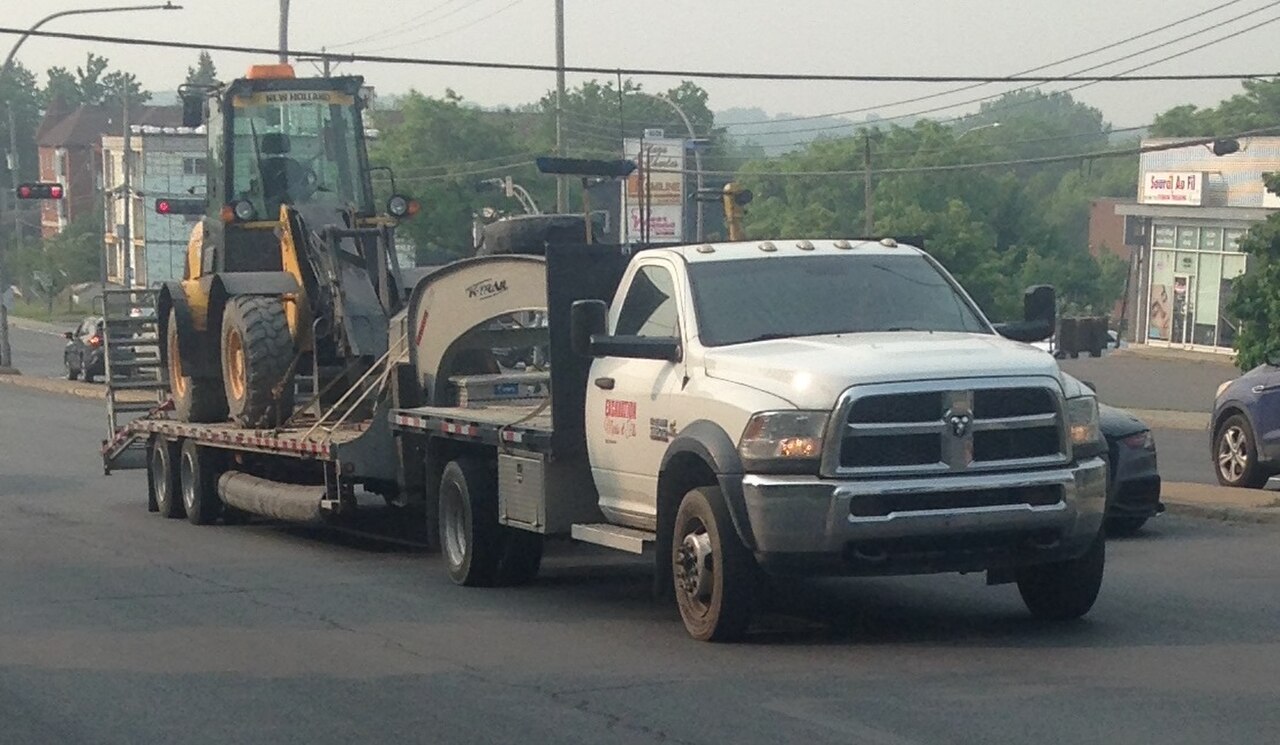
Hot shot is time-sensitive less-than-truckload freight moved by a Class 3–5 truck — typically a 3/4-ton or one-ton dually pickup — pulling a flatbed, dovetail, or gooseneck trailer. Common freight includes skid steers, oilfield supplies, palletized building materials, and farm equipment that cannot wait for a full truckload. The startup cost is a fraction of a Class 8 rig, which is why the segment keeps growing, but the equipment still has to meet federal commercial vehicle thresholds.
Do You Need a CDL? The 26,001-Pound Line
Under 49 CFR Part 383, a CDL is required when your gross combination weight rating — the truck’s GVWR plus the trailer’s — is 26,001 pounds or more, or when the towed unit alone exceeds 10,000 pounds and the combination is rated over 26,000. A Ram 3500 dually rated around 14,000 pounds paired with a 12,000-pound-rated gooseneck sits just under the line, which is why so many hot shot setups are built to that exact spec. Officers check the door-sticker ratings, not your actual load weight, so the paperwork on the truck is what counts. Some hot shot carriers deliberately cross the threshold and run CDL drivers anyway, because the higher rating opens up heavier freight.
Your DOT Number and Operating Authority
Operating interstate in a vehicle or combination rated 10,001 pounds or heavier makes you a commercial motor vehicle, so you need a USDOT number even without a CDL. If you haul for hire, you also need MC operating authority from FMCSA — $300 per authority type through its online registration system — plus a BOC-3 blanket process agent filing and an annual UCR registration. Not sure what those numbers mean or whether a broker is legit? We cover both in our guides to the DOT number and MC number lookup.
Insurance: The $750,000 Question
Under 49 CFR 387.9, a for-hire carrier hauling non-hazardous property interstate in vehicles rated 10,001 pounds or more must carry at least $750,000 in public liability coverage. Your insurer files proof with FMCSA as part of the authority process. On top of that, most brokers and shippers require $100,000 in cargo insurance before they will dispatch you — FMCSA does not mandate cargo coverage for general freight, but the freight market effectively does. Physical damage coverage on truck and trailer rounds out the package.
ELDs and Hours of Service Still Apply
This is the trap that catches new hot shot drivers: no CDL required does not mean no logbook. A 10,001-pound-plus combination running interstate is a CMV, so the 11-, 14-, and 70-hour limits and the ELD mandate apply. Running a setup between 10,001 and 26,000 pounds without an electronic logging device is a violation that hits your safety scores the same as any big carrier. Review the hours of service limits before your first dispatch.
IFTA, IRP, and Form 2290
Apportioned plates and fuel tax filings only kick in at certain thresholds: a power unit with three or more axles, or a truck or combination with a gross or registered weight over 26,000 pounds, running in two or more jurisdictions. A two-axle pickup whose combination stays at or under 26,000 pounds can skip IFTA and IRP entirely. The Heavy Vehicle Use Tax applies once taxable gross weight reaches 55,000 pounds. Our IFTA filing guide walks through the quarterly deadlines if your setup crosses the line.
When Your Load Goes Oversize
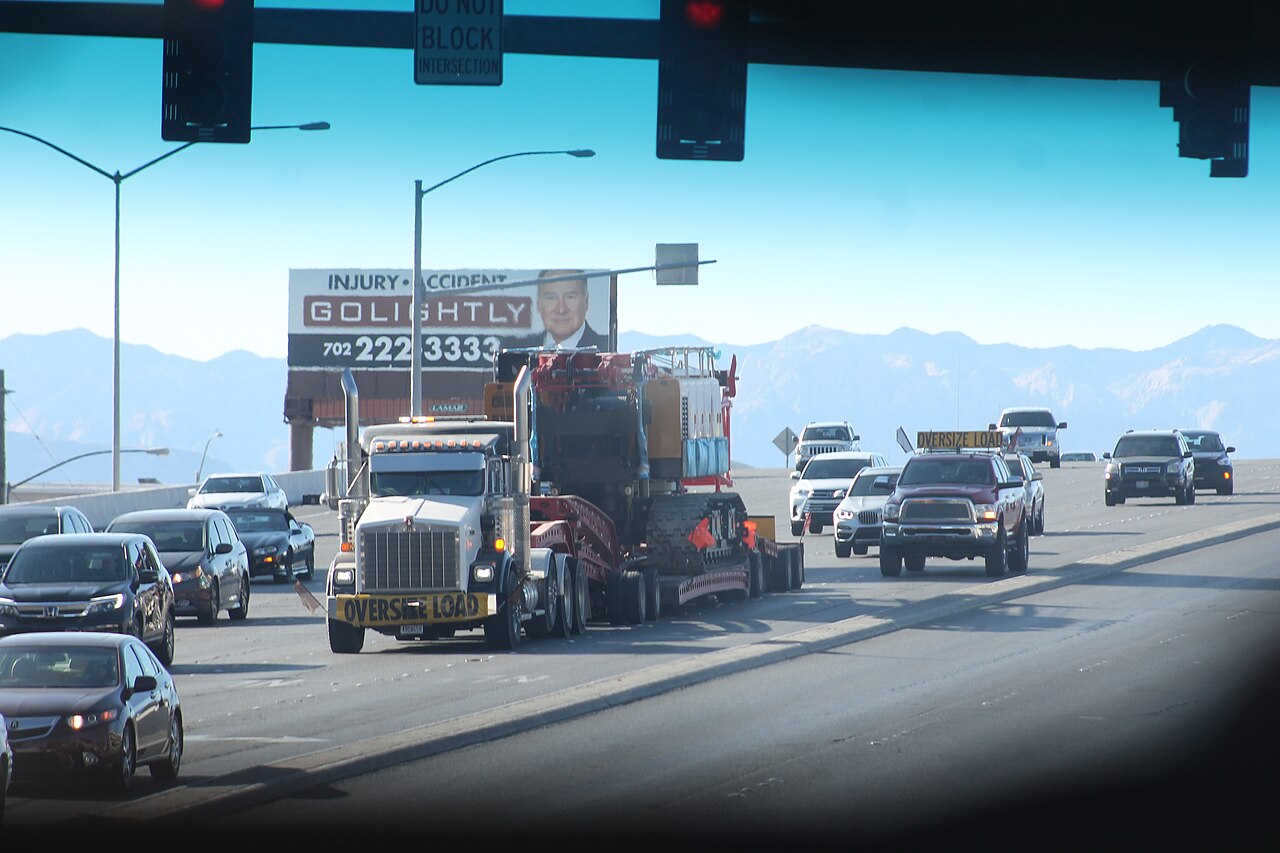
Hot shot freight routinely brushes up against legal dimensions — a wide skid steer, an overlength pipe, a tall silo part. The moment a load or its escort setup exceeds legal width, height, length, or weight in any state on your route, you need permits, and many states also require escort vehicles and travel-time restrictions. Legal dimensional and weight limits vary by state, which is exactly the problem permit routing solves. See our guide to escort vehicle requirements for when a pilot car becomes mandatory.
The bottom line: hot shot is a legitimate, lower-cost entry into trucking, but 10,001 pounds is where the federal paperwork starts. Sort the DOT number, authority, insurance, and ELD before you book that first load — and when a shipment pushes past legal dimensions, run your route through a permit-aware planner like Truck This Way so no state on the way catches you over the line.
Leave a Reply