Oversize Load Permit California: Requirements, Cost, and How to Apply
Oversize Load Permit California: Requirements, Cost, and How to Apply
California is one of the busiest states for heavy haul freight — and one of the strictest about how it moves. Ports, wind farms, and construction sites depend on oversized loads, but every extralegal move on the State Highway System needs a Caltrans transportation permit. Here is what triggers it, what each permit costs, and how to apply.
When You Need a Caltrans Oversize Load Permit
Caltrans issues a permit when a load or vehicle exceeds California’s legal limits: over 8 feet 6 inches wide, over 14 feet high, or over 80,000 pounds. Permits are only issued for non-divisible loads — cargo that cannot reasonably be separated without destroying its value or making it unable to do the job it was built for. You also cannot use a permit to circumvent the Vehicle Code or to move a vehicle placed out of service for a size or weight violation.
California Legal Size and Weight Limits
Know the baseline. California’s legal maximums are 8 feet 6 inches wide, 14 feet high, and 80,000 pounds gross — anything above those numbers requires a permit. California also enforces kingpin-to-rear-axle (KPRA) distance, a measurement unique to the state that determines how a tractor-trailer tracks through a curve and which routes it may use. A KPRA of 40 feet or less is the standard for most annual permits.
Types of Caltrans Transportation Permits and What They Cost
Choosing the right permit type controls both your cost and your flexibility.
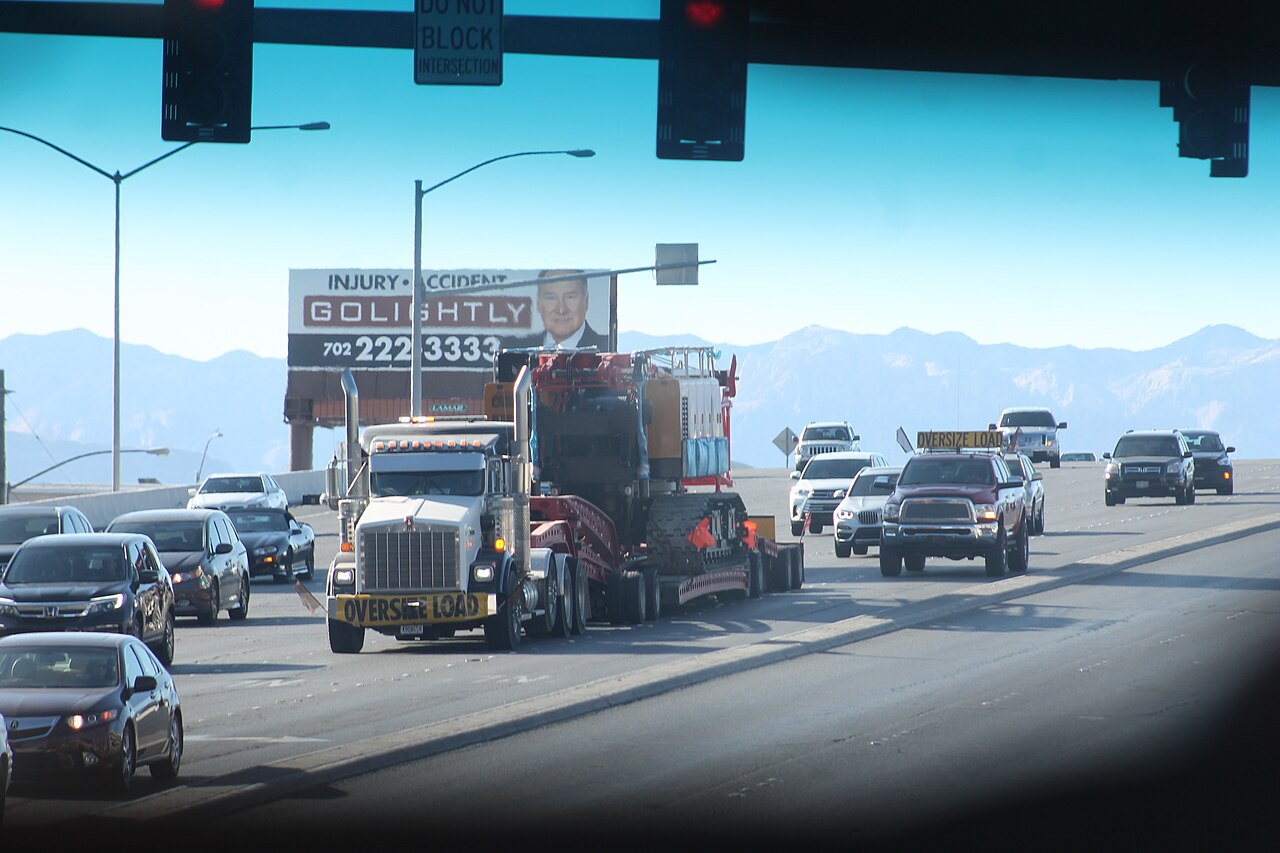
- Single Trip ($16): seven consecutive days, one origin to one destination, one direction of travel. Issued up to three days in advance.
- Annual ($90): one year, for certain envelope loads or specified vehicles on specified highways — up to 12 feet wide, 14 feet high, and 40-foot KPRA. Travel on red routes is prohibited.
- Repetitive ($90): up to 90 days for the same load over the same route, repeated — overwidth pipe to one project, for example. Up to 12 feet wide, 14 feet 6 inches high, and 90 feet long.
- Variance: anything over 15 feet wide, 17 feet high, or 135 feet long, or special hauling equipment exceeding the department’s standard weight classification. Variances get special processing.
Maximum Dimensions on a Single Trip Permit
A single trip permit allows far more than legal size, but the ceiling depends on the color of your approved routes and structures. Width is generally capped at 14 feet; on green, blue, and brown routes you can reach 15 feet without a California Highway Patrol escort, and on yellow routes up to 16 feet. Maximum permitted length is 135 feet. Height is not fixed — the loaded height must clear the lowest structure on the route by at least 3 inches. Weight is limited by the purple chart weight for your configuration.
Pilot Cars, CHP Escorts, and Warning Signs
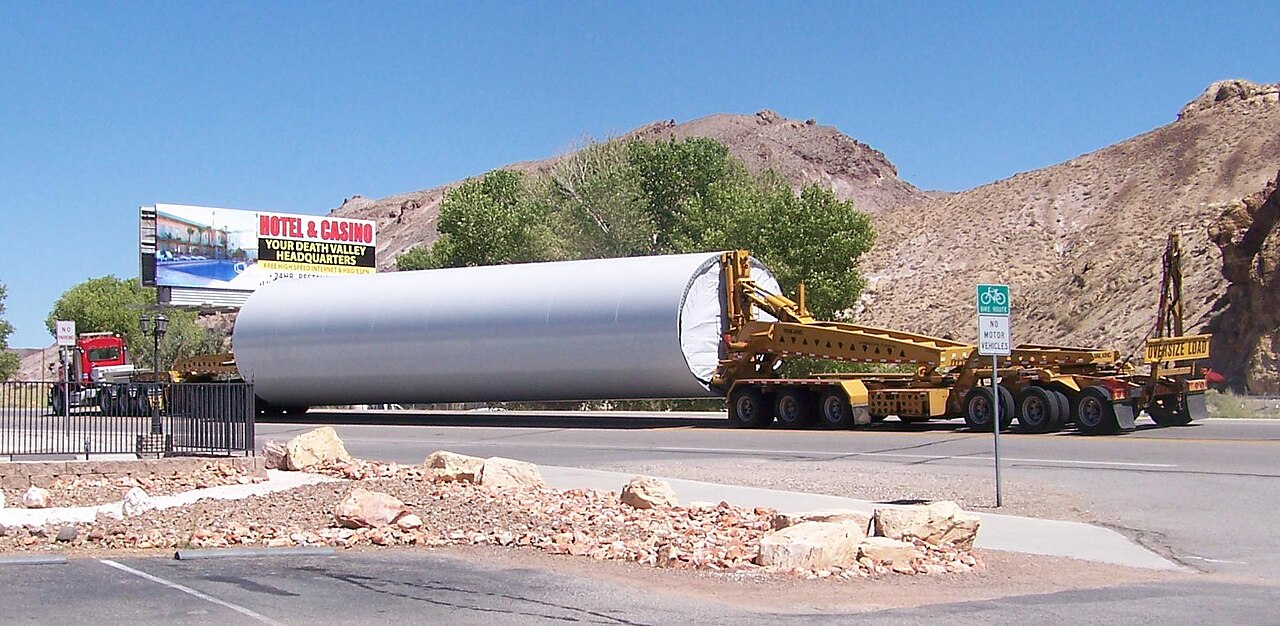
Pilot car requirements are route-specific and published in Caltrans’ Single Trip Pilot Car Maps. Loads exceeding those thresholds, or a structure’s weight rating, require CHP escort — which the permittee must schedule directly with the Highway Patrol. Signage is mandatory: any load over 8 feet 6 inches wide or 80 feet long needs black-on-yellow warning signs front and rear, at least 18 inches above the road, with lettering at least 10 inches tall. Use “OVERSIZE” or a more specific “WIDE LOAD,” and switch to “LONG LOAD” once overall length passes 100 feet. Pilot cars must run flashing amber lights under Vehicle Code 25270.
Curfews and Metro Travel Restrictions
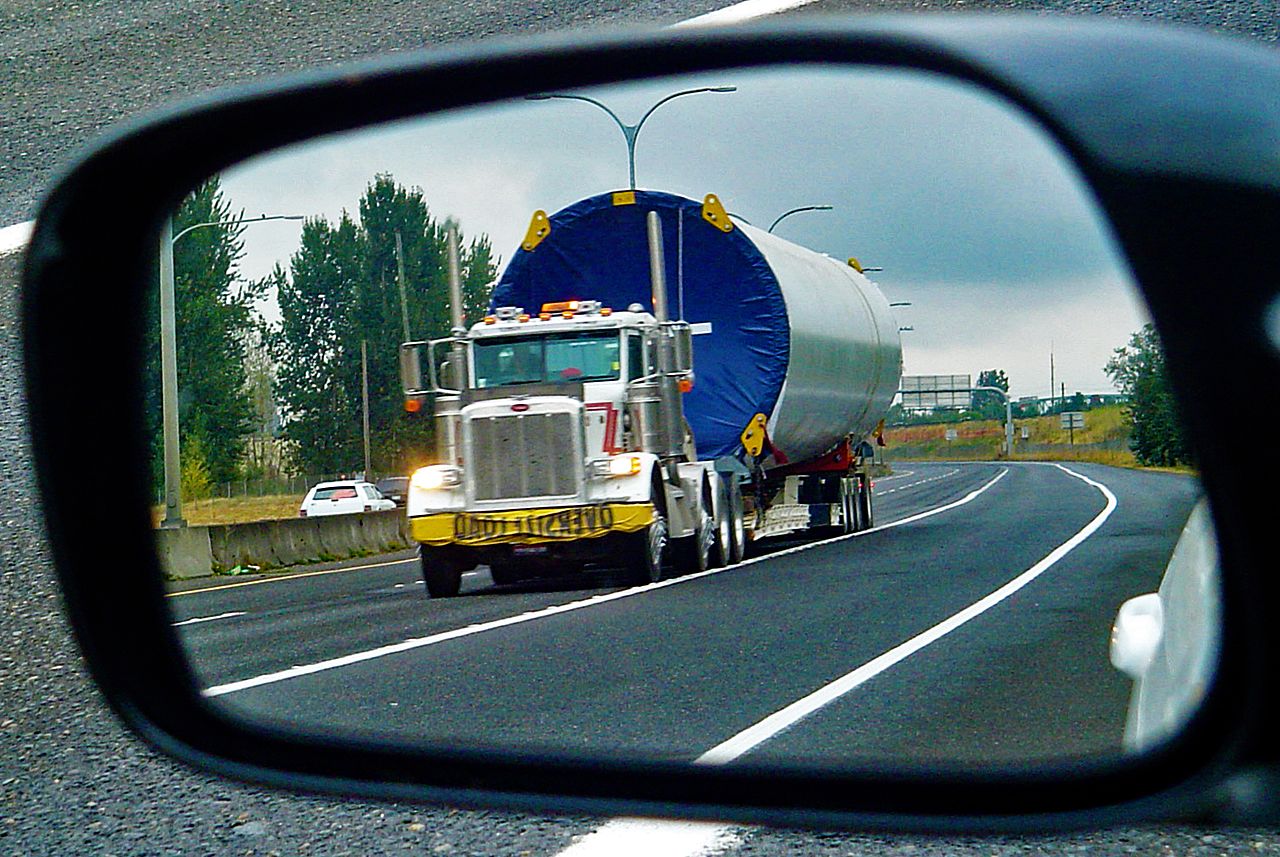
California restricts oversize travel through its largest cities. Loads over 10 feet wide are subject to curfew in the Los Angeles, Sacramento, San Diego, and San Francisco metro areas, where a curfew map sets your travel hours. Holiday travel and 24/7 operations carry their own special conditions, and trips crossing the San Francisco–Oakland Bay Bridge have extra requirements. Pull the current special conditions before every dispatch — a missed condition can turn a clean trip into a citation.
How to Apply for a California Oversize Load Permit
Apply online through CTPS, Caltrans’ permit system (previously STARS2), or hire a permit service — worth the fee if you are unfamiliar with the state’s route coding. Single trip applications can be submitted up to three days ahead. Credit cards are accepted online; in-person and mail payments are limited to checks and money orders. Permit conditions plus any applicable special conditions, curfew maps, and pilot car conditions must travel with the load. The Permits Issuance Branch in Sacramento handles status questions at (916) 322-1297.
Plan the Route Before You File
In California the permit is only half the job. Route colors, structure clearances, bridge weight ratings, and curfew windows decide whether the load moves on schedule. Build and verify the route first, then let the permit application follow it. Truck This Way maps legal oversize routes so you know which roads your load can use before you file.
Leave a Reply